01
A good requirement is necessary.
Delete it. If nobody is worse off, it was never a requirement — only cost.

01 / ATTRIBUTEA good requirement is
necessary.
necessary.
Topic 01 / Systems Engineering
That gap is what systems engineering exists to close. Not paperwork about the product — the discipline that keeps a whole team's idea of the product identical, from the first conversation to the last test report.
Explore the ten attributes ↓ 01The customer described it.
 02Sales retold it.
 03The lead understood it.
 04The document recorded it.
 05Systems designed it.
 06Software built it.
 07Test ran it.
 08Then the quote explained it.
Everyone was certain they agreed.
Delete it. If nobody is worse off, it was never a requirement — only cost.
15–27 °C because that is the room — not 5–60 °C to be safe.
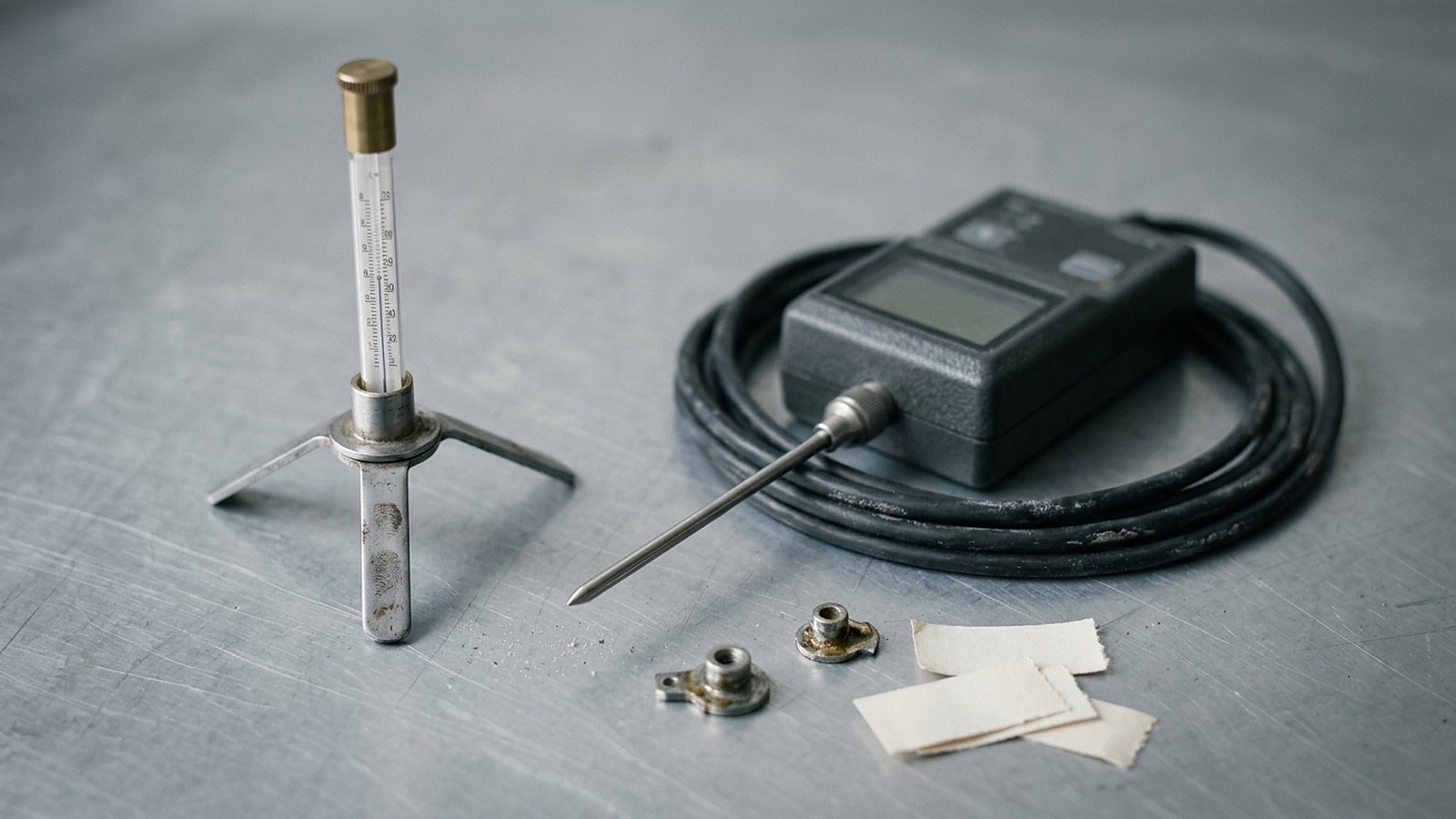
A minimum with no maximum is half a requirement.

One requirement, one issue. The rationale lives somewhere else.

Fast, easy, robust, as appropriate — every one is a future argument.

Name the method now: inspection, analysis, demonstration or test.

Achievable with this technology, this budget, this schedule — or it is a wish.
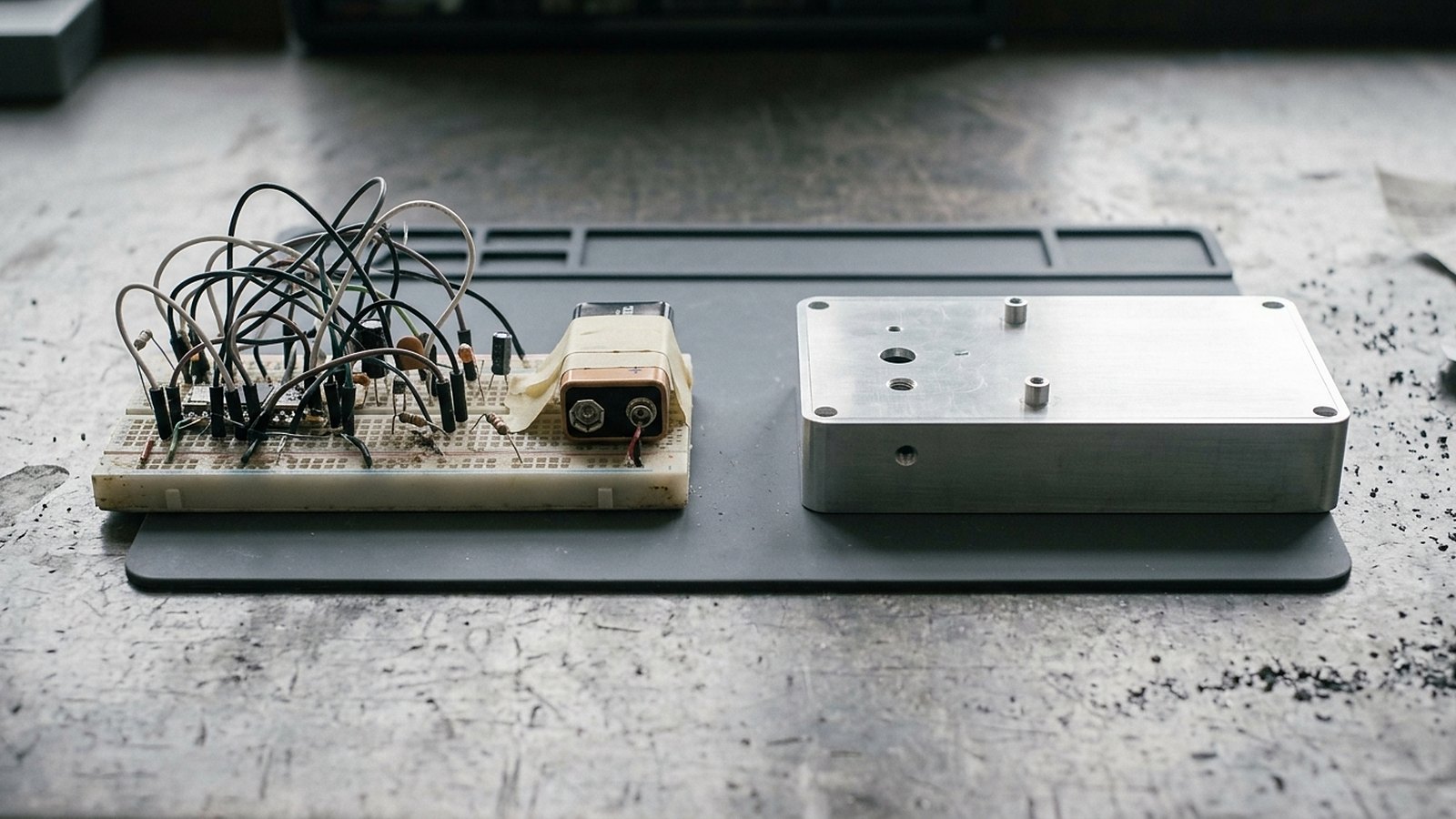
Write “the user can view and change the calibration settings”, not “calibration is stored in MySQL”. The second is a design decision. If you really must fix the method, write it as a constraint and label it one.

Said once, in one vocabulary, contradicting nothing above or below it.

An ID, a parent, and a test that will one day cite it.

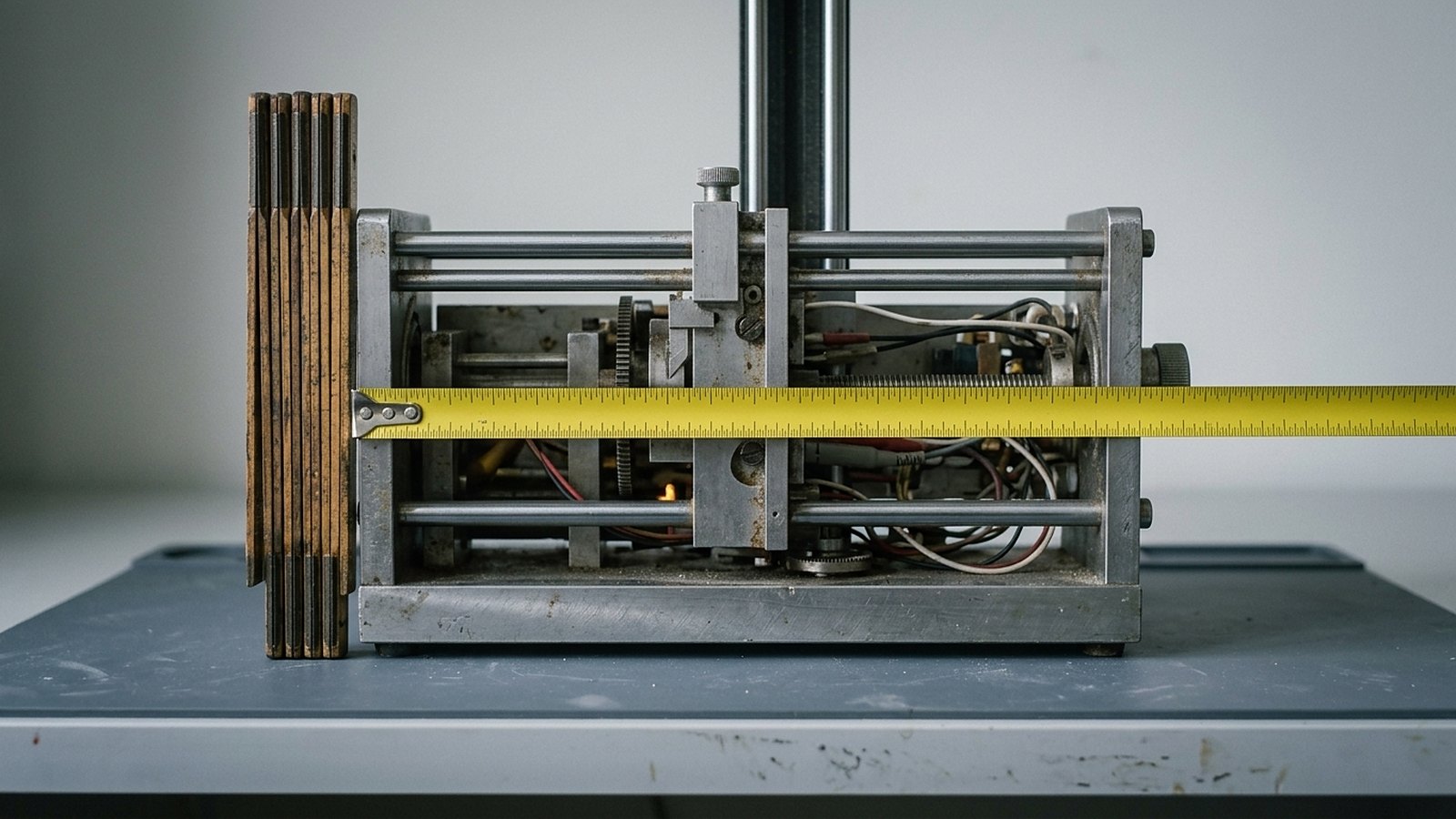
Nobody can carry an instrument into “any lab” and try it, so this sentence can never be shown to be met — it never gets to be finished, and it never gets to be signed off. Three bounded dimensions can: height ≤ 1500 mm, width ≤ 1500 mm, depth ≤ 700 mm. Now it can be measured, and accepted. A few more minutes to write; weeks of argument saved.
Tap the underlined phrases. Each is a defect category from the ambiguity checklist, and each is somewhere a supplier can quote to their reading rather than yours.
The system processing of samples and provide results , blood and tissue.
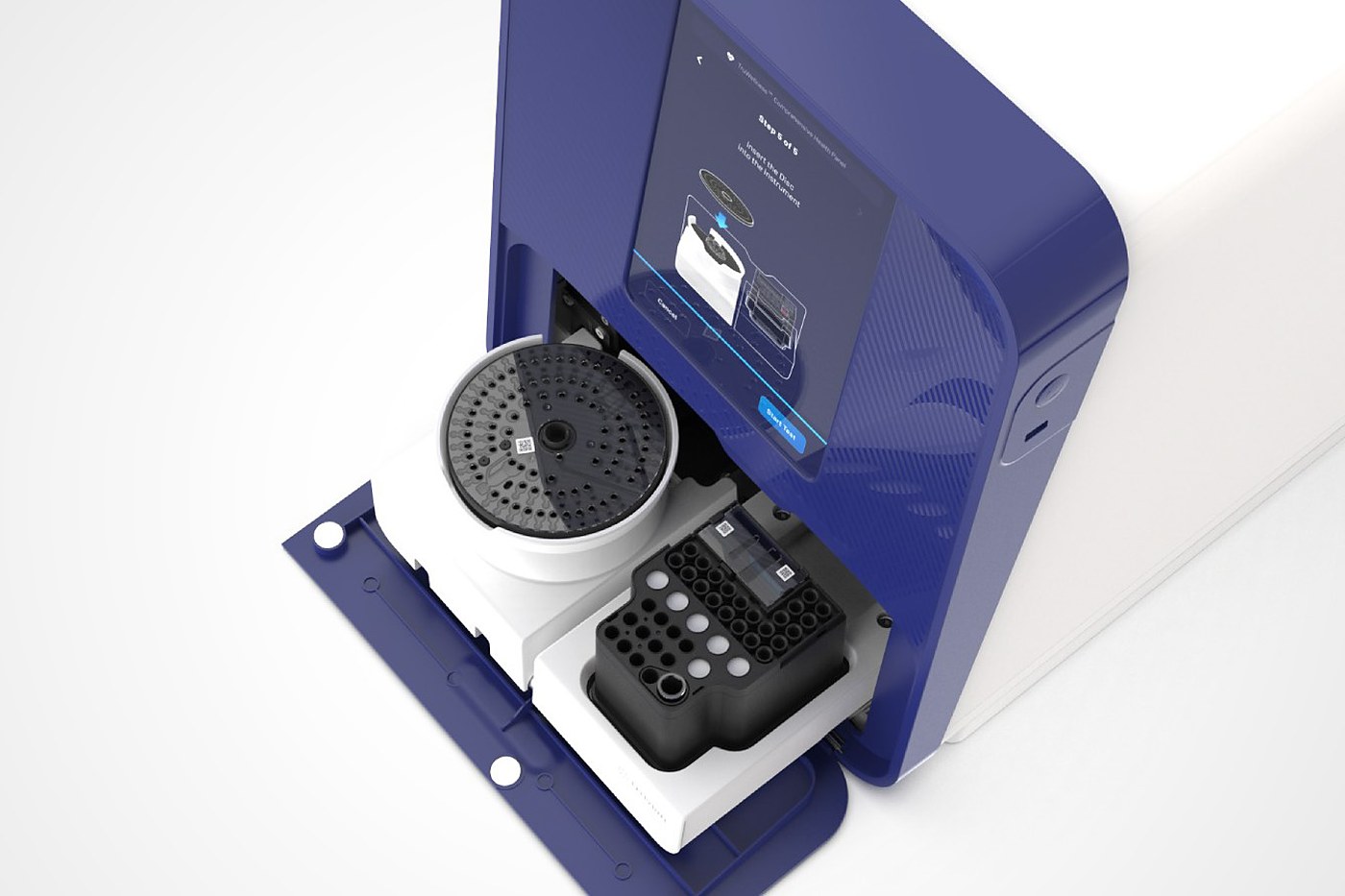
When a cartridge is inserted, while the instrument is initialised, the instrument shall scan the cartridge.
When a cartridge is inserted — The moment the requirement applies. Written with When.
while the instrument is initialised — The state it depends on. Written with While.
the instrument — Who performs it. A named thing — not “the system”.
shall scan — What it does. One observable action, not a capability.
the cartridge — What it acts on. Leave this out and the sentence is unfinished.
The University of Melbourne's wildfire research laboratory, with forestry agencies in California and Victoria, commissioned a joint development: one field instrument carrying twelve sensor types. In the laboratory it performed beautifully.
Then it went to a fire ground.
None of the three failures below was an engineering mistake.
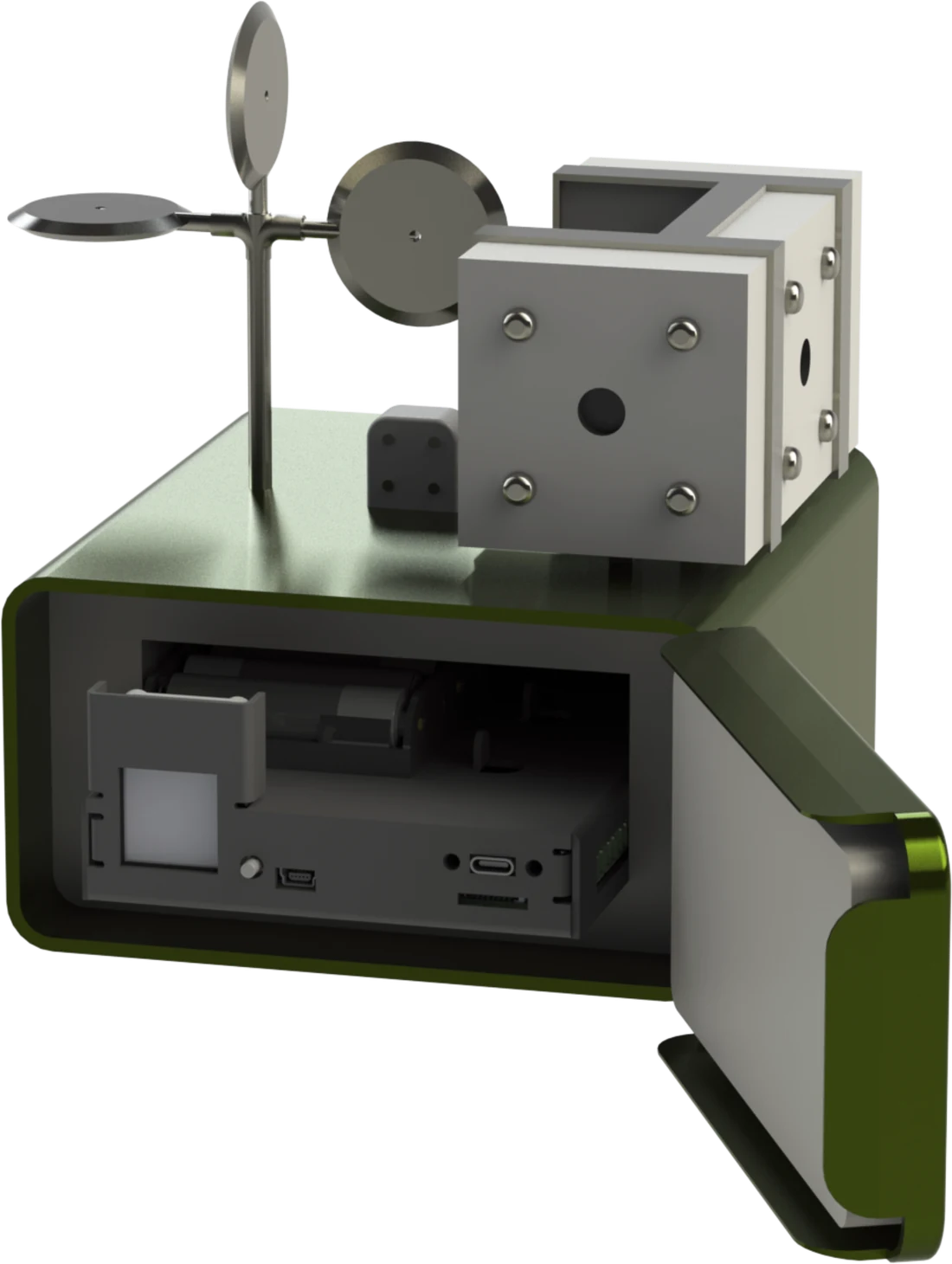
The boards were finished before the customer specified a military blast-proof case with internal insulation. The usable volume turned out to be far smaller than assumed, and the design went back.
A high-resolution differential pressure sensor, recommended and accepted, carried roughly a 0.75% zero offset. Nobody had written a test condition for drift, so it surfaced in the field — as about three metres per second of wind that was not there.
Fire-ground temperatures held above a thousand degrees for more than ten minutes. Heat travelled in through conduits and cabling and the interior reached 75 °C. Standard cells lost most of their life, commercial-grade parts drifted, and soft PVC air tubing deformed above 65 °C.
All three were a requirement that was never written.
An LLM agent has no pass/fail line. What you can give it is a unit, a method of measurement and a target distribution — plus a route to a human for the tail you did not specify.
Every requirement is born with its verification method attached. If you cannot say how you would test it, you have not finished writing it.
A glossary costs an afternoon. An argument about what “done” means costs a sprint, and it will happen more than once.
Inspection, analysis, demonstration or test — decided while writing, recorded in the trace matrix, never invented at verification time.
Design input and design output are decisions about whether to carry on. If nothing can fail them, they are not gates.
Two steps, two different questions, two different kinds of evidence. Confusing them is how a programme passes every test and still ships the wrong product.
Evidence is real people, in their environment, finishing the real task. Which is why verification can pass in full and validation still fail — the product is exactly what was specified, and the specification was wrong.
Good design makes meaning visible